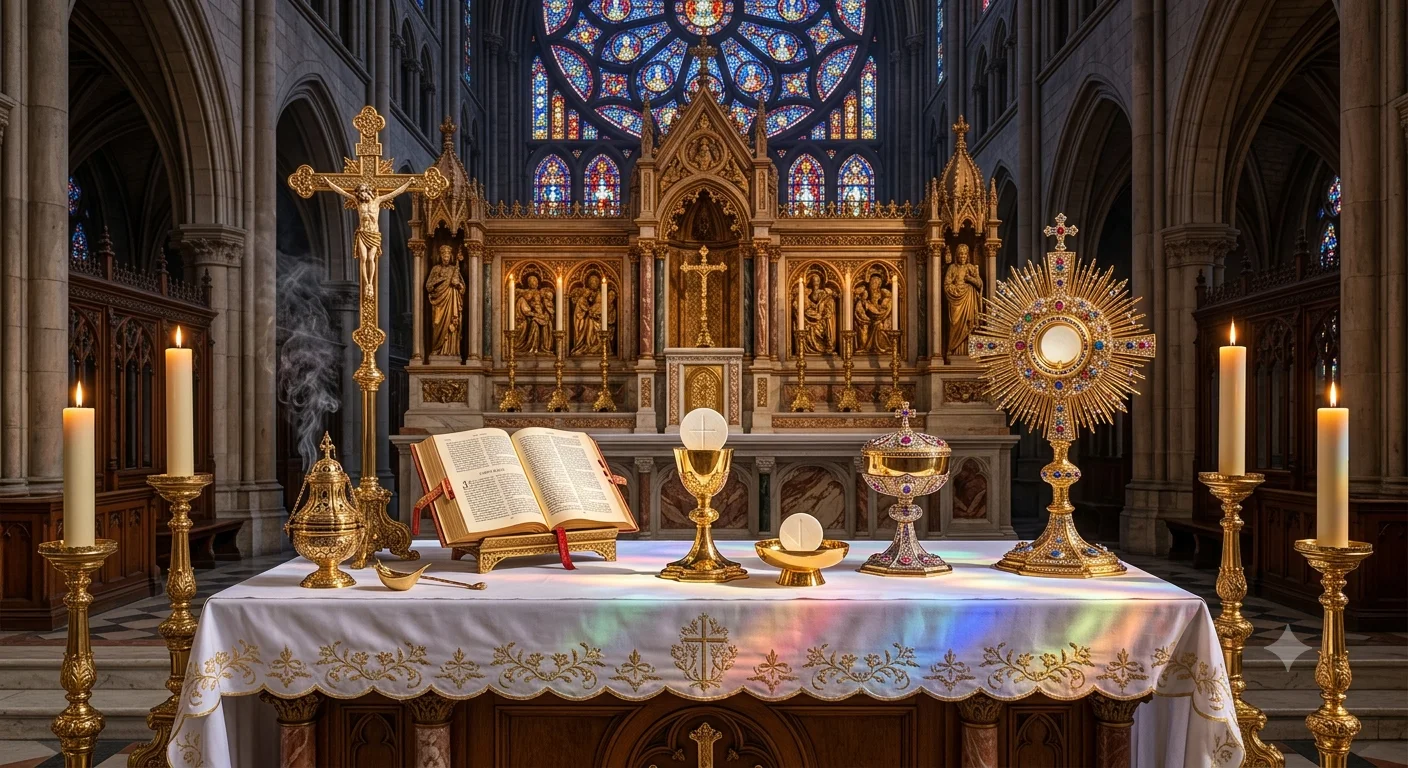
Understanding the names and purposes of the objects used during Christian worship can make church services far more meaningful. Whether you’re researching for school, exploring the Catholic faith, preparing educational content, or simply curious, knowing what priests call their tools helps you understand centuries of religious tradition.
Many people search for “What Do Priests Call Their Tools” because the word tools sounds informal, while churches typically use terms like liturgical tools, sacred vessels, or liturgical instruments. Each item has a specific name and purpose, especially during the celebration of Mass and other religious ceremonies.
In this guide, you’ll learn the names of the most important priest tools, how they’re used, and why these sacred objects remain central to Christian worship today.
Quick Answer
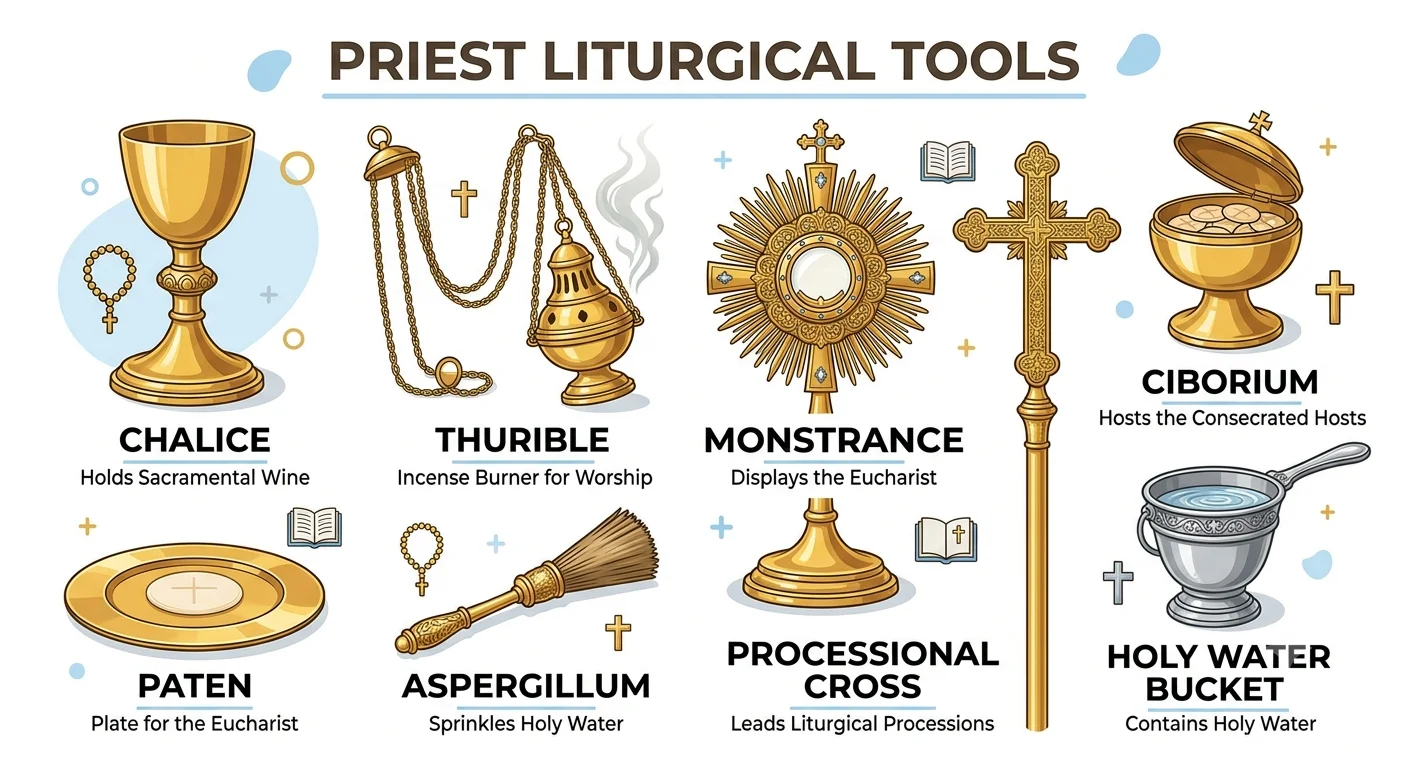
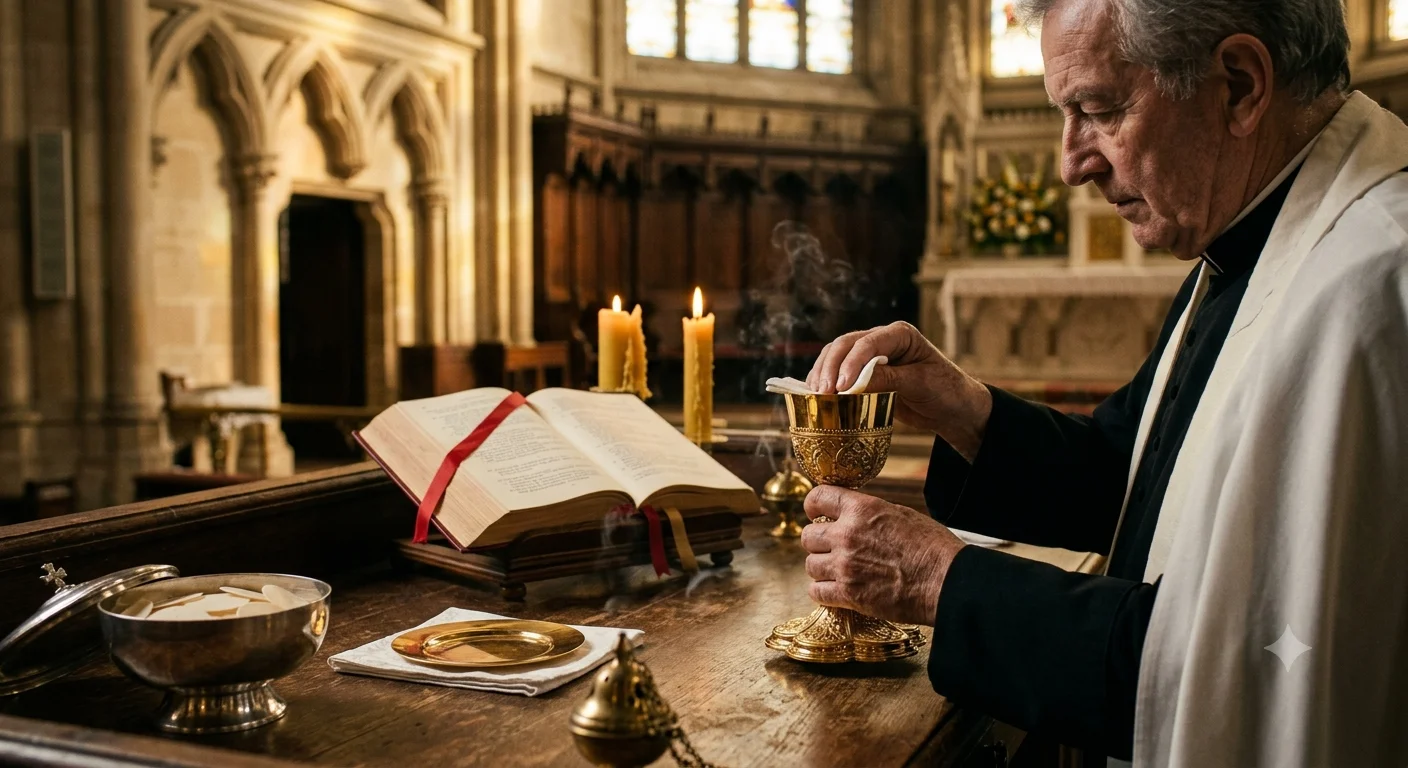
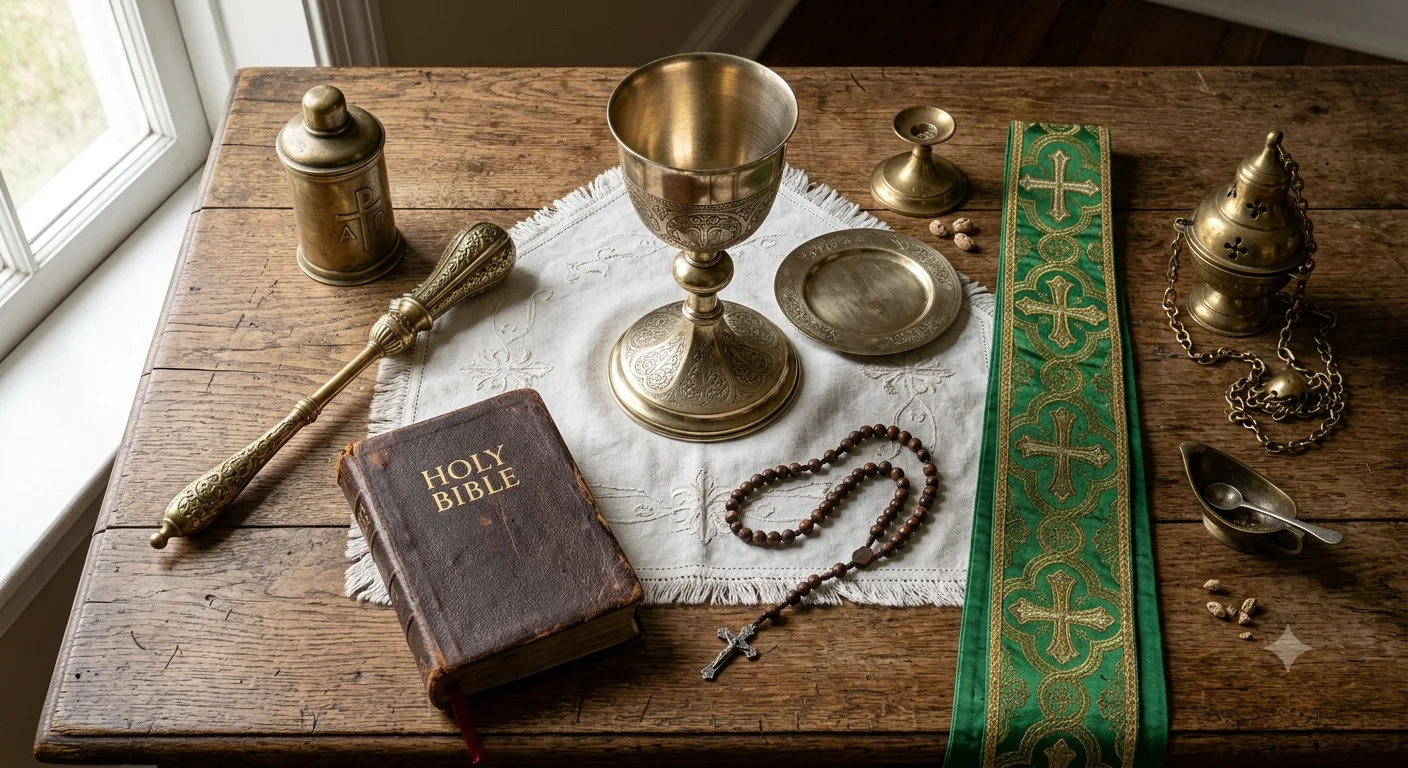
Priests generally do not call their tools “tools.” Instead, churches refer to them as liturgical items, liturgical instruments, sacred vessels, church altar items, or religious ceremonial objects. These include the chalice, paten, ciborium, monstrance, thurible (censer), aspergillum, pyx, processional cross, vestments, and other sacred objects used during worship.
What Do Priests Call Their Tools?
The objects priests use during worship are commonly known as liturgical tools, church worship tools, or sacred church objects. Rather than being ordinary equipment, they’re considered sacred because they play an important role in religious ceremonies.
Different Christian traditions may use slightly different terminology, but the purpose remains the same—to help celebrate worship respectfully and in accordance with centuries-old traditions.
Some of the most recognized tools used by priests include:
- Chalice
- Paten
- Ciborium
- Monstrance
- Thurible (Censer)
- Aspergillum
- Pyx
- Processional Cross
- Liturgical Books
- Church Vestments
These objects are often handcrafted using precious metals, wood, glass, or fine fabrics to reflect their spiritual significance.
What Are the Most Important Priest Tools Used During Mass?
The most essential tools for Catholic priests are those directly involved in celebrating the Eucharist. Every item has a specific role, and together they help ensure the liturgy is carried out with reverence.
Common Priest Equipment
| Tool | Purpose | Used During | Common Material |
|---|---|---|---|
| Chalice | Holds consecrated wine | Eucharist | Gold, silver, plated metal |
| Paten | Holds the communion bread | Eucharist | Gold or silver |
| Ciborium | Stores consecrated hosts | Holy Communion | Precious metal |
| Monstrance | Displays the Blessed Sacrament | Adoration | Gold, brass |
| Thurible (Censer) | Burns incense | Special Masses | Brass or silver |
| Aspergillum | Sprinkles holy water | Blessings | Metal or wood |
| Pyx | Carries Communion to the sick | Pastoral visits | Gold or silver |
| Processional Cross | Leads worship processions | Ceremonies | Wood or metal |
These altar tools aren’t simply decorative—they serve practical and symbolic purposes throughout Christian worship.
Why Do Priests Use Different Liturgical Items?
Each liturgical object represents a different part of Christian worship and carries deep symbolic meaning. Rather than using one object for everything, churches preserve distinct items for specific religious functions.
For example:
- A chalice is reserved for the consecrated wine.
- A paten supports the Eucharistic bread.
- A thurible is used only when incense is part of the ceremony.
- An aspergillum is specifically designed for sprinkling holy water.
Using dedicated church ceremony equipment reflects both tradition and respect for sacred rituals.
What Is the Purpose of a Chalice?
The chalice is perhaps the best-known of all sacred vessels used during Mass. It holds the wine that becomes the Blood of Christ according to Catholic belief.
Because of its importance, a chalice is typically:
- Made from precious materials
- Blessed before liturgical use
- Carefully cleaned after Communion
- Stored respectfully inside the church
Many churches use ornate chalices featuring engraved crosses, biblical symbols, or decorative artwork that reflects their heritage.
Pro Tip
When visiting a church museum or cathedral, you’ll often notice historic chalices displayed behind glass. These pieces are not only religious objects but also remarkable works of craftsmanship that can date back hundreds of years.
What Is a Paten and Why Is It Used?
The paten is a small sacred plate that accompanies the chalice during the Eucharist. Its primary role is to hold the bread before consecration.
Although simple in appearance, the paten plays an important role in protecting the Eucharistic bread throughout the liturgy.
Chalice vs. Paten
| Item | Holds | Shape | Primary Use |
|---|---|---|---|
| Chalice | Wine | Cup | Eucharistic celebration |
| Paten | Bread (Host) | Flat plate | Supports the Eucharist |
Together, these two Eucharistic vessels are among the most recognized church altar items in Christian worship.
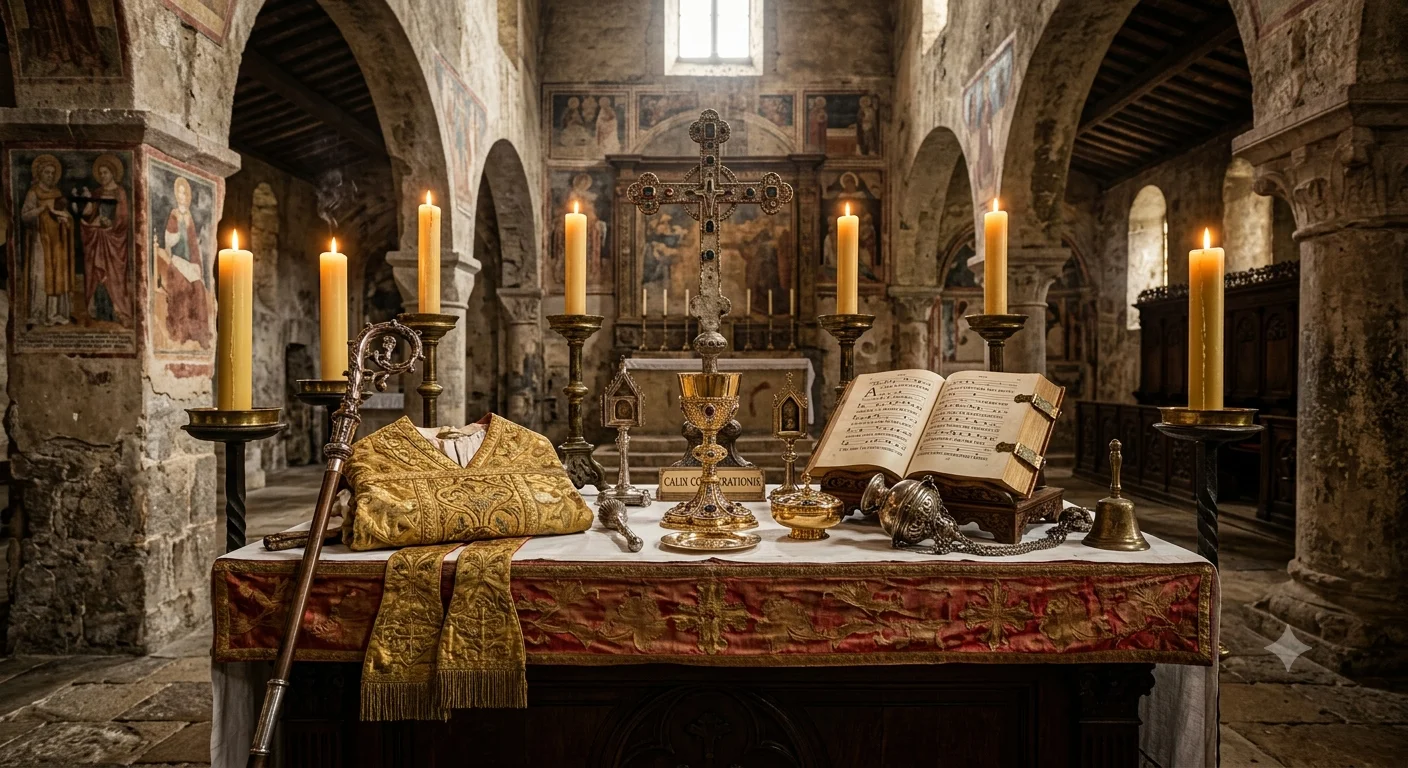
Which Sacred Vessels Store the Eucharist?
After Communion, any remaining consecrated hosts are stored in specially designed sacred vessels. These containers protect the Eucharist and allow Communion to be distributed later when needed.
The most common examples include:
Ciborium
A ciborium resembles a covered chalice or bowl. It stores consecrated hosts inside the church tabernacle until they’re needed for Communion.
Pyx
A pyx is much smaller and portable. Priests often carry it when visiting hospitals, nursing homes, or people who cannot attend church.
Monstrance
A monstrance is used differently. Instead of storing the Eucharist, it displays the consecrated host during Eucharistic Adoration and other devotional services.
Expert Tip
Many people assume every golden object on an altar serves the same purpose. In reality, each piece of priest equipment has a carefully defined role. Learning these distinctions makes it much easier to understand church ceremonies and appreciate the symbolism behind them.
Common Mistakes About Priest Tools
People new to church traditions often misunderstand the terminology surrounding religious ceremonial objects. Here are a few common misconceptions:
- Calling every sacred object a “cup.”
- Confusing a thurible with a monstrance.
- Assuming every Christian denomination uses identical equipment.
- Thinking vestments are decorative clothing.
- Referring to all church objects as ordinary tools instead of liturgical instruments.
Using the correct names helps you better understand religious history and communicate respectfully about Christian worship.
What Is a Thurible (Censer) and Why Is Incense Used?
A thurible, also known as a censer, is one of the most recognizable liturgical tools used during Christian worship. It holds burning charcoal and incense, creating fragrant smoke that symbolizes prayers rising to God.
Incense is commonly used during:
- Solemn Masses
- Feast days
- Funerals
- Ordinations
- Eucharistic Adoration
- Processions
Chains suspend the thurible so the priest or deacon can gently swing it. In many churches, incense also represents purification and reverence.
Did You Know?
The word thurible comes from the Latin thuribulum, meaning “incense burner.” While many people say “censer,” both terms refer to the same sacred object.
What Is an Aspergillum and How Is Holy Water Used?
An aspergillum is a holy water sprinkler used to bless people, buildings, religious objects, and congregations.
You’ll often see it during:
- Easter celebrations
- Church dedications
- Baptisms
- Funeral rites
- House blessings
The aspergillum is dipped into a container called an aspersorium, then gently shaken to sprinkle holy water over those being blessed.
Quick Facts
- Used for blessings
- Paired with holy water
- Found in many Catholic and Orthodox churches
- Symbolizes spiritual cleansing and renewal
Why Are Church Vestments Considered Part of Priest Equipment?
Although clothing isn’t a “tool” in the everyday sense, church vestments are considered essential accessories for priests because they identify the priest’s liturgical role and the celebration taking place.
Common vestments include:
| Vestment | Purpose |
|---|---|
| Alb | White robe worn during Mass |
| Stole | Symbol of priestly ministry |
| Chasuble | Main outer garment for celebrating Mass |
| Cope | Worn during processions and blessings |
| Cassock | Traditional clerical garment outside the liturgy |
Vestment colors also change throughout the church year to reflect different seasons and celebrations.
How Are Priest Tools Different Across Christian Traditions?
Many church worship tools are shared across Christian traditions, but their use can vary by denomination.
| Item | Catholic | Orthodox | Protestant |
|---|---|---|---|
| Chalice | ✔ | ✔ | ✔ (many churches) |
| Thurible | ✔ | ✔ | Sometimes |
| Monstrance | ✔ | Rare | Generally not used |
| Aspergillum | ✔ | ✔ | Occasionally |
| Vestments | Extensive | Extensive | Varies widely |
| Processional Cross | ✔ | ✔ | ✔ |
For example:
- Catholic churches use a wide range of liturgical instruments during Mass.
- Orthodox churches share many of the same sacred objects but often follow different ceremonial traditions.
- Protestant churches may use fewer ceremonial items, depending on the denomination.
Best Practices When Learning About Sacred Church Objects
If you’re studying Christianity, writing about church history, or visiting a cathedral, these tips can help.
- Learn the proper names of liturgical items.
- Avoid referring to sacred vessels as ordinary utensils.
- Respect photography rules inside churches.
- Remember that many objects are blessed before use.
- Understand that traditions may differ between denominations.
Pro Tip
When visiting a historic church, look for informational plaques near the altar or sacristy. They often explain the purpose of important church altar items and provide historical context.
Key Takeaways
- Priests generally refer to their “tools” as liturgical tools, sacred vessels, or religious ceremonial objects.
- Each object has a unique purpose during worship.
- The chalice, paten, ciborium, and pyx are closely connected with the Eucharist.
- The thurible is used for incense, while the aspergillum is used for holy water.
- Church traditions differ slightly, but many core liturgical items are shared across Christian denominations.
Frequently Asked Questions
1. What do priests call their tools?
Most priests do not use the word “tools.” Instead, they refer to them as liturgical items, sacred vessels, altar tools, or liturgical instruments. These terms describe the religious objects used during worship, including the chalice, paten, ciborium, thurible, monstrance, and other ceremonial items.
2. What are the most important tools that Catholic priests use?
The most essential tools used by Catholic priests include the chalice, paten, ciborium, pyx, monstrance, thurible, aspergillum, processional cross, and liturgical books. These items are used during the celebration of Mass, blessings, processions, and other sacred ceremonies.
3. What is the difference between a chalice and a paten?
A chalice is a sacred cup used to hold the wine during the Eucharist, while a paten is a small plate that holds the bread or host. Together, they are among the most important Eucharistic vessels used during Christian worship.
4. Why is incense used during church services?
Incense symbolizes prayer, reverence, and purification. When burned in a thurible or censer, the rising smoke represents prayers ascending to God. Many churches also use incense to mark important feasts, funerals, and other solemn celebrations.
5. What is a monstrance used for?
A monstrance displays the consecrated Eucharist for prayer and adoration. Unlike a ciborium, which stores the Eucharist, a monstrance is designed to allow worshippers to visibly adore the Blessed Sacrament during Eucharistic Adoration and special services.
6. Do all Christian churches use the same priest tools?
No. Catholic and Orthodox churches use many of the same liturgical tools, while Protestant churches vary depending on their traditions. Some denominations use only a few ceremonial objects, while others follow more elaborate liturgical practices.
7. Are church vestments considered priest tools?
Yes. Although vestments are garments rather than instruments, they are considered essential accessories for priests because they identify the priest’s role and reflect the significance of the liturgical celebration. Different colors are worn during different seasons of the Christian calendar.
8. Why are sacred church objects made from precious materials?
Many sacred church objects are crafted from gold, silver, or other durable materials to honor their religious purpose. Their quality reflects the importance of the ceremonies in which they are used and helps preserve these items for generations of worship.
Conclusion
If you’ve ever wondered what priests call their tools, the answer is more meaningful than it first appears. Rather than ordinary tools, these objects are known as liturgical tools, sacred vessels, church altar items, and religious ceremonial objects. Each one—from the chalice and paten to the thurible, aspergillum, and monstrance—serves a specific purpose in Christian worship and carries centuries of tradition.
Learning the names and functions of these items not only answers a common question but also provides a deeper appreciation for the symbolism, history, and practices found in churches around the world. Whether you’re researching for education, exploring your faith, or simply curious, understanding these sacred objects offers valuable insight into the richness of Christian liturgy.
If you enjoyed this guide, consider exploring related topics such as church vestments, the meaning of the Eucharist, or the history of Christian worship to deepen your understanding.