Written by Hazel Patrica
Technology Writer covering Artificial Intelligence, Workplace Automation, and Digital Transformation
Introduction: HR Technology Enters the Human-AI Collaboration Era in 2026
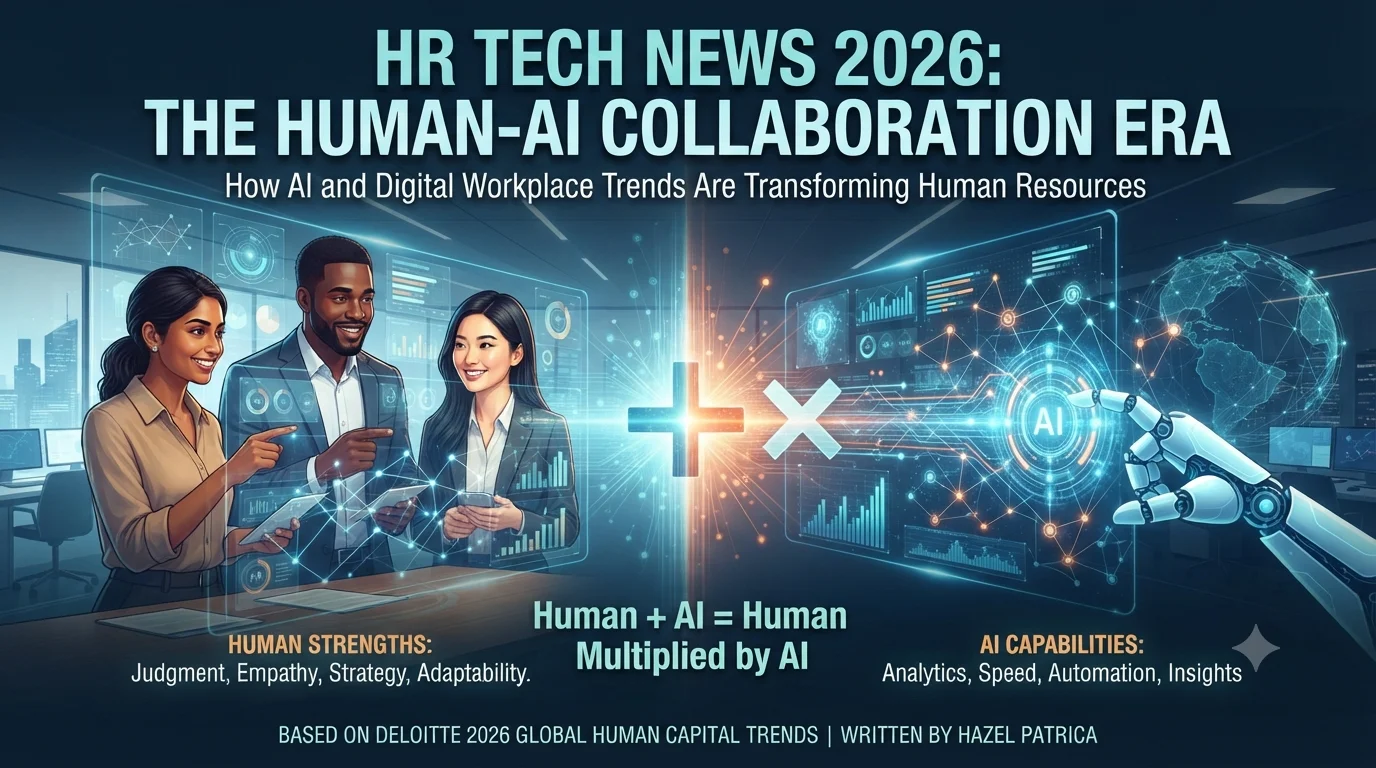
Human resources technology is entering a new phase in 2026. Instead of simply adding artificial intelligence tools on top of existing HR processes, organizations are increasingly redesigning how people and technology work together.
According to Deloitte’s 2026 Global Human Capital Trends research, organizations that focus only on technology adoption are 1.6 times more likely to miss expected AI investment returns compared with organizations that take a human-centered approach. The research highlights that the biggest advantage will come from combining AI capabilities with uniquely human strengths such as adaptability, creativity, judgment, and decision-making.
The shift is changing how companies approach recruitment, employee experience, workforce planning, learning, and workplace automation. Modern HR technology is no longer only a system for storing employee information — it is becoming a strategic foundation for building adaptable organizations.
Deloitte’s research, conducted with more than 9,000 business and human resources leaders across 89 countries, shows that companies are facing a major workplace transformation. Leaders are now focusing on three important questions:
- How can humans and AI collaborate effectively?
- How can organizations maintain trust and accountability when AI influences decisions?
- How can businesses build a workforce that continuously learns and adapts?
In 2026, successful HR technology strategies will not be defined by automation alone. They will depend on how effectively organizations combine intelligent systems with human expertise.
What Is HR Technology and Why Does It Matter in 2026?
HR technology refers to digital platforms, software solutions, and artificial intelligence systems designed to help organizations manage their workforce more effectively.
Traditional HR systems mainly focused on administrative tasks such as:
- Employee records management
- Payroll processing
- Attendance tracking
- Benefits administration
However, modern HR technology has expanded beyond basic administration. Today’s platforms support:
- AI-powered recruitment
- Employee experience management
- Skills-based workforce planning
- Learning and development
- Performance management
- Workforce analytics
- Digital employee support
The purpose of HR technology in 2026 is not simply to automate tasks. The goal is to help organizations make better decisions, improve employee experiences, and create more flexible ways of working.
Deloitte’s Human Capital Trends research emphasizes that organizations gain more value when they redesign work around human-AI collaboration instead of using AI only as an additional automation layer.
How HR Technology Has Evolved From Automation to AI in 2026
HR technology has gone through several major transformations over the past decades.
From Paper-Based Processes to Digital HR Systems
Earlier HR departments depended heavily on:
- Physical employee files
- Manual approvals
- Spreadsheet-based tracking
- Paper documentation
These processes consumed significant time and increased the possibility of errors.
The introduction of Human Resource Management Systems (HRMS) changed this approach by allowing companies to store employee information digitally and automate repetitive administrative activities.
The Rise of Cloud-Based HR Platforms
The next major shift came with cloud technology.
Cloud-based HR platforms allowed organizations to:
- Access employee information from anywhere
- Support remote and hybrid work.
- Improve collaboration between departments.
- Scale HR operations globally
Companies began moving from traditional HR software toward flexible platforms that could support changing workforce needs.
AI-Powered HR Technology in 2026
The current transformation is focused on artificial intelligence.
AI is changing HR from a transactional function into a more strategic capability.
Modern AI-powered HR systems can help organizations:
- Identify workforce skills gaps.
- Support recruitment decisions
- Provide employee assistance
- Analyze workforce patterns
- Recommend learning opportunities
However, Deloitte’s 2026 research highlights that AI success depends on how organizations design human-machine relationships.
Technology alone is not the competitive advantage.
The real advantage comes from combining:
- AI speed and analytical capability
- Human creativity and judgment
- Responsible decision-making
- Strong workplace culture
Why Human-AI Collaboration Is Becoming the Biggest HR Technology Trend in 2026
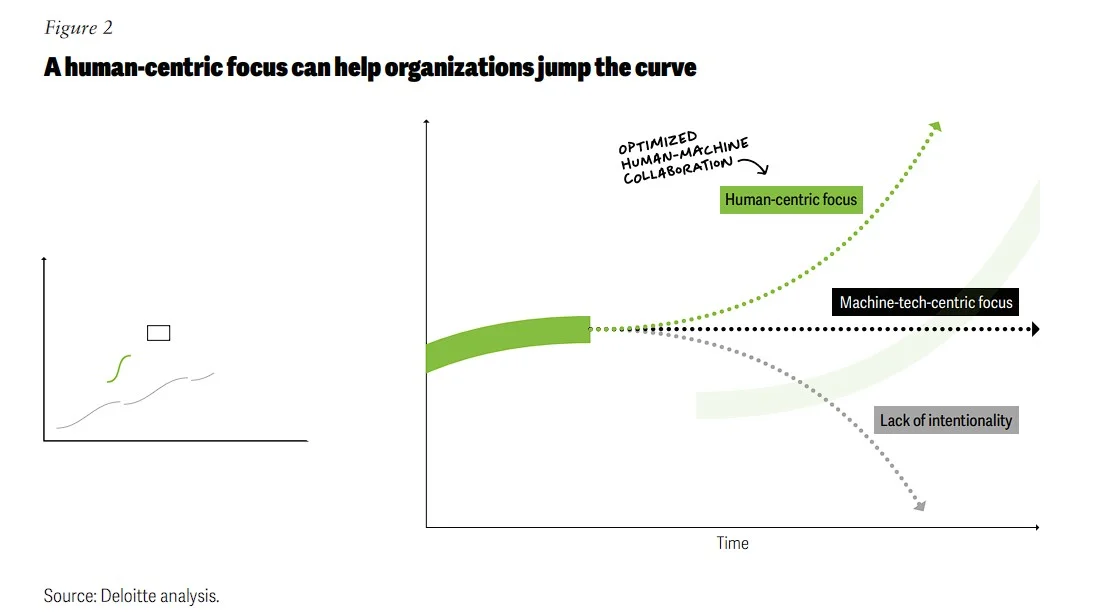
One of the biggest changes in HR technology is the movement from human plus machine toward human multiplied by machine.
Many organizations previously focused on using technology to replace manual processes. However, Deloitte’s research shows that future success depends on redesigning work so humans and AI systems can operate together.
The research found that organizations leading in intentional human-AI work design are nearly 2.5 times more likely to report better financial results.
This approach focuses on:
AI Supporting Human Decisions
AI can analyze large amounts of information quickly, but human professionals are still needed for:
- Ethical decisions
- Employee-related judgments
- Strategic planning
- Understanding workplace context
Humans Providing Oversight and Accountability
As AI becomes involved in hiring, performance evaluation, and workforce decisions, organizations need clear accountability.
Deloitte highlights that AI-generated outputs require human review because AI systems can produce inaccurate or misleading information.
For HR teams, this means:
- Reviewing AI recommendations
- Monitoring fairness
- Protecting employee trust
- Maintaining transparency
Building a More Adaptive Workforce
Deloitte’s research shows that adaptability has become a critical workplace advantage.
The report found:
- 85% of leaders say adaptability is critical for organizations and workers
- Only 7% say they are leading effectively in helping employees continuously grow and adapt.
This gap shows why HR technology must focus not only on automation but also on continuous learning and workforce development.
7 HR Technology Trends in 2026 Based on Deloitte Research
The future of HR technology is moving beyond simple automation. In 2026, organizations are focusing on how artificial intelligence can improve decision-making, workforce adaptability, employee experience, and business performance.
Deloitte’s 2026 Global Human Capital Trends identifies several major shifts that are shaping the future of work. These trends show that companies need to redesign work, strengthen trust, and create better collaboration between humans and intelligent systems.
1. Human-AI Collaboration Becomes the Foundation of Modern HR
One of the biggest HR technology trends in 2026 is the transition from using AI as a separate tool to integrating AI directly into everyday work.
Many organizations previously focused on adding AI solutions to existing processes. However, Deloitte highlights that this approach often creates only incremental improvements.
The organizations gaining stronger results are those redesigning workflows around human-AI collaboration.
Instead of asking:
“How can AI replace existing HR tasks?”
Modern HR leaders are asking:
“How can AI help employees make better decisions and create more value?”
How Human-AI Collaboration Impacts HR
AI can support HR teams by helping with:
- Candidate screening
- Workforce analytics
- Employee support
- Skills identification
- Learning recommendations
- Administrative automation
However, human professionals remain responsible for:
- Ethical decisions
- Employee relationships
- Strategic workforce planning
- Fairness and accountability
Deloitte’s research found that organizations redesigning work around human-AI collaboration are more likely to achieve better financial outcomes compared with organizations focusing only on technology implementation.
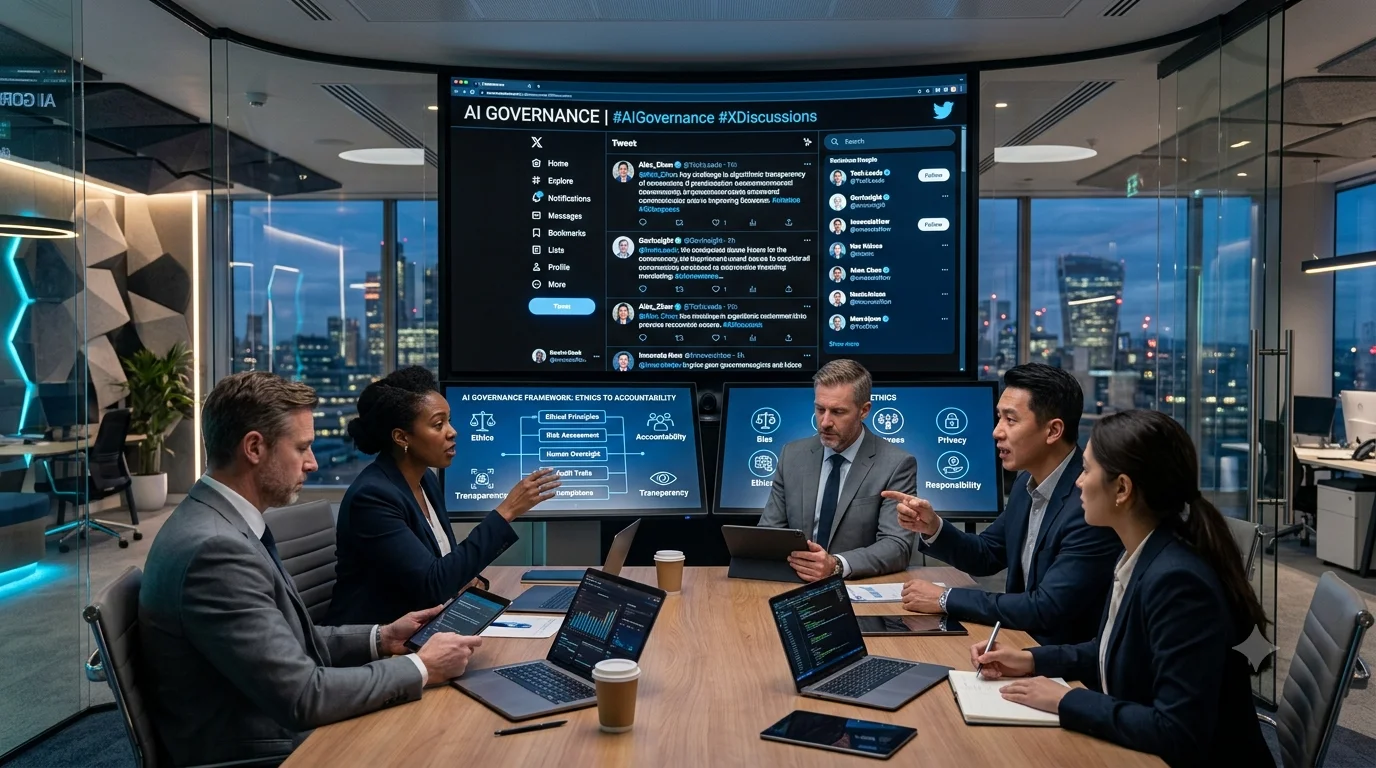
2. AI Trust, Governance, and Data Quality Become Critical HR Priorities
As organizations use AI in workplace decisions, trust becomes one of the most important issues.
HR systems handle some of the most sensitive business information, including:
- Employee records
- Compensation data
- Performance information
- Personal employee details
In 2026, companies cannot focus only on AI capabilities. They must also build strong governance systems.
Deloitte highlights that financial and workforce data are among the most valuable enterprise assets, making data accuracy and responsible AI usage essential.
Why HR Teams Need AI Governance
Organizations need clear policies for:
- How AI systems use employee information
- Who reviews AI-generated recommendations?
- How companies handle incorrect AI outputs
- How employees are informed about AI usage
AI can process information quickly, but human oversight remains necessary because AI systems can sometimes generate inaccurate or misleading results.
3. AI Is Changing Workforce Decision-Making
Decision-making is becoming a major focus area for HR technology in 2026.
AI systems can analyze workforce information faster than traditional methods, helping organizations understand:
- Employee skills
- Hiring needs
- Workforce trends
- Training requirements
However, Deloitte emphasizes that AI should improve human decision-making rather than replace human judgment.
The Human-in-the-Loop Approach
A successful AI-powered HR strategy requires humans to remain involved in important decisions.
For example:
AI can help:
- Identify potential candidates
- Analyze workforce patterns
- Recommend training paths
HR professionals should:
- Review recommendations
- Consider employee circumstances
- Apply organizational values
- Make final decisions
This balance helps organizations maintain fairness, transparency, and trust.
4. Culture Becomes a Competitive Advantage in the AI Workplace
AI transformation is not only a technology challenge. It is also a culture challenge.
Deloitte describes this challenge as “culture debt” — the negative impact organizations experience when they adopt new technologies without adapting workplace behaviors and values.
When companies introduce AI without proper planning, problems may appear:
- Employees lose trust in decision-making.
- Teams become disconnected
- Workers feel uncertain about their roles.
- Organizations struggle with adoption.
How HR Technology Can Support Better Culture
Modern HR platforms can help companies build healthier workplace cultures through:
- Employee feedback systems
- Learning platforms
- Transparent communication tools
- Digital collaboration systems
Deloitte’s research found that:
- 65% of organizations believe their culture needs significant change because of AI transformation
This shows that successful AI adoption requires cultural transformation alongside technology investment.
5. AI Orchestration: Connecting People, Skills, Data, and Technology
A major HR technology shift in 2026 is moving from automation toward orchestration.
AI is allowing organizations to coordinate:
- Employees
- Skills
- Data
- Technology systems
- Business priorities
Instead of keeping jobs and departments isolated, organizations are beginning to build more flexible workforce models.
What AI Orchestration Means for HR
HR leaders can use technology to:
- Identify available skills inside the organization.
- Match employees with opportunities.
- Understand workforce capabilities
- Support internal mobility
Deloitte explains that future organizations will need to continuously reorganize capabilities around changing business needs.
The advantage will belong to companies that can adapt quickly.
6. Traditional HR Functions Are Being Redesigned
Traditional business functions were created around specialization and efficiency.
However, AI and digital transformation are changing how organizations operate.
Deloitte reports that many corporate functions, including HR, finance, IT, and legal departments, were designed for older business models based on fixed structures.
Modern organizations need more collaboration between departments.
The Future Role of HR Technology
HR technology will increasingly connect:
- Human resources
- Finance
- Operations
- Technology teams
- Business leadership
For example:
A workforce analytics platform can help HR understand employee skills, help finance plan investments, and help managers build future teams.
Deloitte found that:
- 66% of C-suite leaders believe traditional functions need to change
- Only 7% say they are making progress toward that transformation.
This gap creates a major opportunity for HR technology.
7. Continuous Learning and Workforce Adaptability Become Essential
The speed of workplace change is increasing.
Employees are no longer expected to learn new skills only through occasional training programs.
Instead, AI is enabling learning directly inside daily workflows.
Modern HR technology can support:
- Personalized learning recommendations
- AI coaching assistants
- Skills development tracking
- Real-time employee feedback
Deloitte’s research shows that:
- 85% of leaders consider adaptability critical
- Only 7% believe they are effectively helping workers continuously adapt.
This means HR technology must focus on creating a workforce that can learn continuously.
Real HR Technology Examples Supporting These Trends
The HR technology market includes platforms that are adding AI capabilities to improve workforce management.
Workday
Workday provides enterprise HR and finance solutions that help organizations manage:
- Workforce planning
- Talent management
- Employee data
- Business analytics
Its AI capabilities focus on improving workforce insights and decision support.
SAP SuccessFactors
SAP SuccessFactors is a cloud-based human capital management platform used for:
- Employee experience
- Recruiting
- Learning management
- Performance management
It helps organizations manage workforce processes at scale.
Microsoft Viva
Microsoft Viva focuses on employee experience by combining:
- Communication tools
- Learning resources
- Employee engagement features
- Workplace insights
It supports organizations building more connected digital workplaces.
Key Takeaway
The biggest HR technology trend in 2026 is not simply AI adoption.
The real transformation is how organizations combine:
- Artificial intelligence
- Human judgment
- Workforce adaptability
- Responsible decision-making
- Strong organizational culture
Companies that treat AI as a replacement tool may struggle to achieve expected value. Organizations that redesign work around human-AI collaboration are more likely to create sustainable competitive advantage.
Benefits of AI-Powered HR Technology for Modern Workplaces
HR technology is becoming a strategic investment rather than only an administrative tool. In 2026, organizations are using AI-powered systems to improve workforce decisions, increase productivity, and create better employee experiences.
However, the biggest value does not come from automation alone. Deloitte’s 2026 Global Human Capital Trends research shows that organizations achieve stronger results when they combine technology with human capabilities such as creativity, judgment, and adaptability.
Modern HR technology helps companies move from reactive workforce management toward proactive decision-making.
1. Faster and More Data-Driven Recruitment
Recruitment is one of the areas where AI-powered HR technology is creating significant changes.
Traditional hiring processes often require HR teams to manually review applications, organize candidate information, and coordinate interviews.
AI-powered recruitment platforms can help organizations:
- Analyze candidate information
- Identify relevant skills
- Automate scheduling
- Improve communication with applicants.
- Support recruiters with workforce insights.
However, AI should not make final hiring decisions without human review.
A responsible recruitment process requires HR professionals to evaluate:
- Candidate experience
- Cultural fit
- People’s
- Context behind applicant information
Human judgment remains essential because hiring decisions directly impact people’s careers.
2. Improved Employee Experience Through Digital HR Platforms
Employee expectations are changing.
Modern workers expect workplace technology to be:
- Simple to use
- Personalized
- Fast
- Accessible from anywhere
HR technology platforms help organizations improve employee experiences by providing:
- Self-service HR systems
- Digital onboarding
- Employee support assistants
- Learning recommendations
- Workplace feedback tools
Instead of employees waiting for HR teams to handle every request manually, digital platforms allow faster access to important information.
3. Better Workforce Planning and Skills Management
One of the biggest challenges organizations face is understanding what skills they need in the future.
AI-powered workforce analytics can help companies identify:
- Existing employee capabilities
- Skills gaps
- Future hiring needs
- Training opportunities
This supports a shift toward skills-based workforce planning.
Instead of focusing only on job titles, organizations can better understand the actual capabilities available within their workforce.
Deloitte highlights that future organizations will need to continuously adapt by redesigning work around skills, technology, and changing business needs.
4. More Effective Learning and Development
The traditional approach to employee training is changing.
Instead of occasional courses, organizations are moving toward continuous learning supported by technology.
AI-powered learning can provide:
- Personalized learning paths
- Recommended courses
- Skill development tracking
- Real-time feedback
Deloitte’s research highlights that adaptability is becoming a critical competitive advantage.
Organizations need employees who can continuously develop new skills as technology changes.
5. Improved Decision-Making With Workforce Analytics
HR leaders increasingly rely on data to understand workforce trends.
HR analytics platforms can help organizations analyze:
- Employee engagement
- Workforce changes
- Retention patterns
- Skills availability
- Productivity trends
However, data alone does not create better decisions.
Deloitte emphasizes that organizations need human oversight when AI influences important decisions.
The strongest results come from combining:
- AI-powered analysis
- Human experience
- Ethical judgment
- Organizational values
HR Technology Challenges: AI Risks, Privacy, and Trust Issues
While HR technology creates many opportunities, organizations also face important challenges.
Successful AI adoption requires more than purchasing software. Companies need proper governance, employee trust, and responsible implementation.
1. Data Privacy and Security Risks
HR systems store some of the most sensitive information inside an organization.
This includes:
- Personal employee information
- Compensation details
- Performance records
- Career history
As AI systems become more involved in workplace decisions, protecting this information becomes increasingly important.
Organizations should focus on:
- Strong access controls
- Data protection policies
- Transparent AI practices
- Regular security reviews
Deloitte highlights that trust and quality reporting can become competitive advantages in an AI-powered business environment.
2. AI Bias and Unfair Decisions
AI systems learn from existing data.
If training data contains mistakes or unfair patterns, AI recommendations may also become inaccurate or biased.
Potential risks include:
- Unfair hiring recommendations
- Incorrect employee assessments
- Limited representation of certain groups
To reduce these risks, organizations should:
- Review AI recommendations
- Monitor outcomes
- Maintain human involvement
- Create clear accountability processes.
3. Lack of Employee Trust
Employees may have concerns about AI adoption.
Common concerns include:
- Will AI replace my role?
- How is my data being used?
- Are AI decisions fair?
- Will human judgment still matter?
Organizations should communicate clearly about:
- Why AI is being introduced
- How employees benefit
- What decisions remain human-controlled
Deloitte’s research shows that trust and culture are major factors determining successful AI transformation.
4. Technology Adoption Without Work Redesign
One of the biggest mistakes companies can make is adding AI tools without changing existing processes.
Deloitte explains that organizations often struggle when they layer AI onto old systems instead of redesigning work around human-AI collaboration.
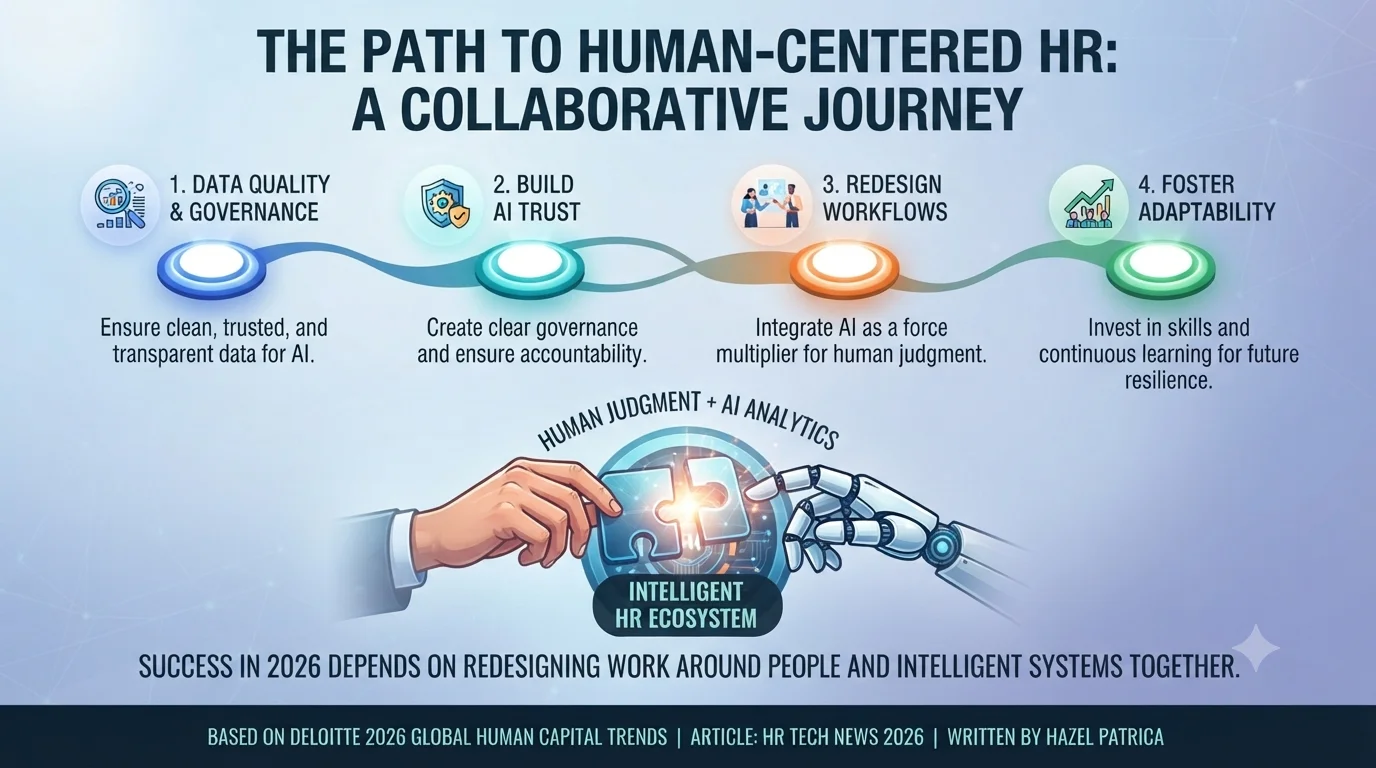
Successful adoption requires:
- New workflows
- Updated responsibilities
- Employee training
- Clear decision-making processes
The Future of HR Technology: What to Expect Beyond 2026
The future of HR technology will not be defined only by smarter software.
It will be shaped by how organizations redesign work around people and intelligent systems.
Several changes are expected to continue:
AI Agents Will Support Everyday HR Operations
AI assistants are expected to become more common in HR workflows.
They may support:
- Employee questions
- Policy guidance
- Administrative tasks
- Workforce insights
However, human oversight will remain necessary for sensitive decisions.
HR Will Become More Connected With Business Strategy
HR technology will increasingly connect workforce information with broader business planning.
Future HR platforms may help organizations understand:
- Which skills they need
- Where talent gaps exist
- How workforce decisions affect business goals
This will make HR a more strategic partner within organizations.
Continuous Adaptability Will Become a Core Business Skill
Deloitte’s 2026 research identifies adaptability as one of the most important workplace capabilities.
The research found:
- 85% of leaders say adaptability is critical
- Only 7% say they are leading effectively in helping workers continuously grow and adapt.
This shows a major opportunity for HR technology to support continuous learning.
HR Tech News Today, October 2025: Top Trends & AI Updates
Frequently Asked Questions About HR Technology in 2026
AI is transforming HR technology by helping organizations automate repetitive tasks, analyze workforce information, improve employee experiences, and support better decisions. However, Deloitte research shows that the strongest results come when companies combine AI capabilities with human judgment.
No. AI is more likely to change HR roles rather than completely replace them. Human professionals remain essential for ethical decisions, employee relationships, strategic planning, and accountability.
HumanDeloitte’soration allows organizations to combine machine efficiency with human creativity, adaptability, and judgment. Deloitte’s research shows that organizations intentionally designing human-AI workflows are more likely to achieve stronger outcomes.
The biggest challenges include:
Data privacy concerns
AI bias
Lack of transparency
Employee trust issues
Poor AI governance
Organizations need responsible AI strategies to reduce these risks.
Small businesses can use HR technology to:
Simplify employee management
Automate administrative work
Improve hiring processes
Support employee development
Cloud-based HR platforms allow smaller companies to access tools that were previously available mainly to large enterprises.
Conclusion: The Future Belongs to Human-Centered HR Technology
HR technology in 2026 is moving beyond automation.
The organizations that succeed will not be those that rely on Deloitte’s most AI tools. They will be the organizations that understand how to combine technology with human strengths.
Deloitte’s 2026 Global Human Capital Trends research shows that the future of work depends on:
- Human-AI collaboration
- Trust and accountability
- Continuous learning
- Workforce adaptability
- Responsible technology adoption
AI can increase speed, improve analysis, and support better decisions. But human creativity, judgment, and leadership remain the foundation of meaningful transformation.
The future of HR technology is not humans versus machines.
It is humans working together with machines to create better workplaces.
Sources & References
Deloitte — The CFO Guide to 2026 Human Capital Trends