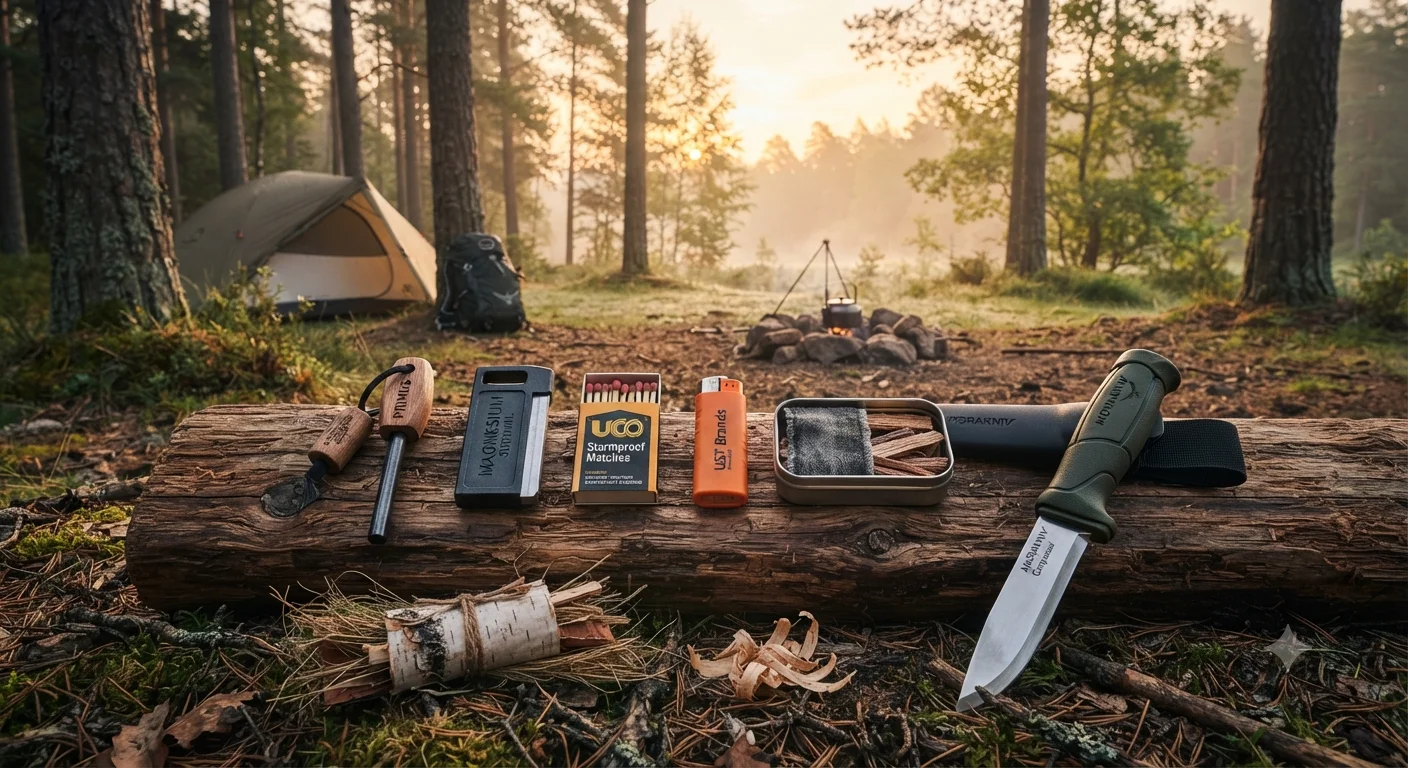
Whether you’re preparing a bug-out bag, planning a camping trip, or building an emergency preparedness kit, having a reliable way to start a fire can make all the difference. The Best Fire Starter Tools for Emergencies are designed to work in challenging conditions, helping you create warmth, cook food, boil water, and signal for rescue when it matters most.
I’ve spent years hiking, camping, and testing outdoor survival gear in different weather conditions—from damp forests after heavy rain to windy mountain campsites. One lesson stands out every time: never rely on a single fire-starting method. A dependable fire starter isn’t just another gadget; it’s one of the most valuable pieces of emergency survival gear you can carry.
Why Are Fire Starter Tools So Important During an Emergency?
The short answer is simple: fire can keep you alive.
In a survival situation, fire provides much more than warmth. It helps prevent hypothermia, purify drinking water, cook food safely, dry wet clothing, scare away wild animals, and even serve as a rescue signal.
Whether you’re assembling a survival fire starter kit, preparing for natural disasters, or heading into the wilderness, carrying multiple emergency fire starter tools greatly increases your chances of success.
A reliable fire starter should be able to:
- Work after getting wet
- Produce sparks in windy conditions
- Be lightweight and portable
- Last for hundreds or even thousands of uses
- Require minimal maintenance
Modern portable fire starter options are surprisingly compact, making them ideal additions to your backpack, emergency camping supplies, or bug-out bag.
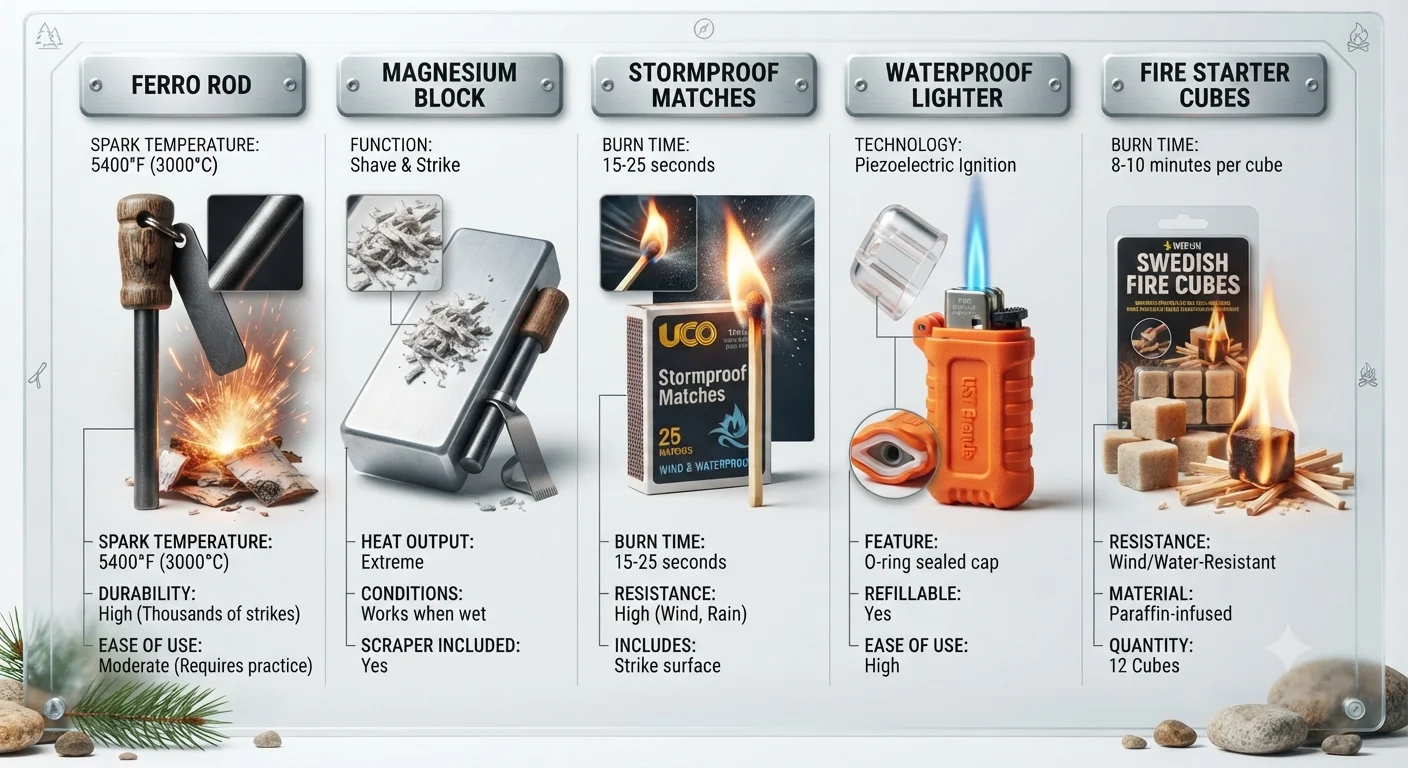
Quick Comparison: Best Fire Starter Tools for Emergencies in 2026
| Fire Starter Tool | Best For | Waterproof | Reusable | Difficulty | Average Lifespan |
|---|---|---|---|---|---|
| Ferro Rod Fire Starter | Overall Survival | ✅ | ✅ | Easy | 10,000–20,000 strikes |
| Magnesium Fire Starter | Wet Weather | ✅ | ✅ | Moderate | Thousands of fires |
| Stormproof Matches | Emergency Backup | ✅ | ❌ | Very Easy | Single use |
| Survival Lighter | Everyday Camping | Water-resistant | Refillable | Very Easy | Years |
| Plasma Arc Lighter | Windy Conditions | Water-resistant | Rechargeable | Easy | Thousands of ignitions |
| Fire Starter Cubes | Beginners | Depends | ❌ | Very Easy | Single use |
| Waterproof Tinder Tabs | Fire Building | ✅ | ❌ | Very Easy | Single use |
| Flint & Steel Kit | Bushcraft Skills | ✅ | ✅ | Advanced | Nearly unlimited |
What Makes the Best Fire Starter Tools for Emergencies?
The best option depends on where and how you’ll use it.
Backpackers often prioritize weight, while campers may value convenience. Survival experts usually recommend carrying at least three different ignition methods to prepare for equipment failure or severe weather.
When choosing the best survival fire starter, consider these features:
Reliability
Your fire starter should work consistently, even after being dropped, soaked, or exposed to freezing temperatures.
Weather Resistance
Rain, snow, and strong winds are common causes of traditional lighters failing. A quality waterproof or stormproof fire starter continues to work even in difficult conditions.
Ease of Use
Some tools require practice. If you’re new to outdoor adventures, choose equipment that’s easy to operate while wearing gloves or under stress.
Weight
Every ounce matters when backpacking. Lightweight camping fire starter tools are easier to carry without sacrificing reliability.
Durability
The best fire starter for survival should last for years instead of a single trip.
Which Fire Starter Tool Is the Best Overall?
For most people, a ferro rod fire starter remains the most dependable all-around choice.
It works in rain, snow, freezing temperatures, and high altitudes where disposable lighters sometimes struggle. Unlike matches, it won’t become useless after getting wet, and unlike fuel-based lighters, it never runs out of gas.
A quality ferro rod can reach temperatures exceeding 5,000°F (2,760°C), producing a shower of hot sparks that can ignite dry Tinder with proper technique.
Pros
- Extremely durable
- Waterproof
- Lightweight
- Thousands of uses
- No fuel required
- Performs well in extreme weather
Cons
- Requires practice
- Needs quality Tinder for best results
This is why nearly every professional survival instructor includes a ferro rod fire starter in their list of outdoor survival essentials.
Is a Ferro Rod Better Than a Magnesium Fire Starter?
Both are excellent, but they serve slightly different purposes.
A ferro rod focuses on producing intense sparks, while a magnesium block provides additional shavings that burn at very high temperatures. Understanding the difference helps you choose the right, reliable fire-ignition tool for your needs.
Ferro Rod Fire Starter
Best if you:
- Camp frequently
- Want long-term durability
- Need a lightweight option
- Already carry dry Tinder
- Build fires regularly
A ferro rod is often considered the best ferro rod for survival because it offers thousands of reliable strikes with minimal maintenance.
Magnesium Fire Starter
Best if you:
- Expect heavy rain
- Camp in snowy environments
- Need extra ignition material
- Want additional insurance in wet conditions
By shaving small curls of magnesium before striking sparks, you create an intensely hot flame that can ignite damp Tinder more effectively than sparks alone.
For many outdoor enthusiasts, the ideal solution is to carry both a magnesium fire starter and a ferro rod in a complete survival fire starter kit.
Should You Pack Stormproof Matches as a Backup?
Absolutely.
Even if your primary ignition tool is reusable, stormproof matches provide a quick and dependable backup during emergencies.
Unlike standard matches, they continue burning through strong winds and even after brief exposure to water. Many emergency responders include waterproof matches in their disaster preparedness kits because they’re simple to use under pressure.
Benefits include:
- Immediate flame
- Easy for beginners
- Excellent emergency backup
- Lightweight
- Compact storage
However, remember that every match is single-use. Once they’re gone, they’re gone.
That’s why stormproof matches work best alongside reusable emergency fire starter tools, not instead of them.
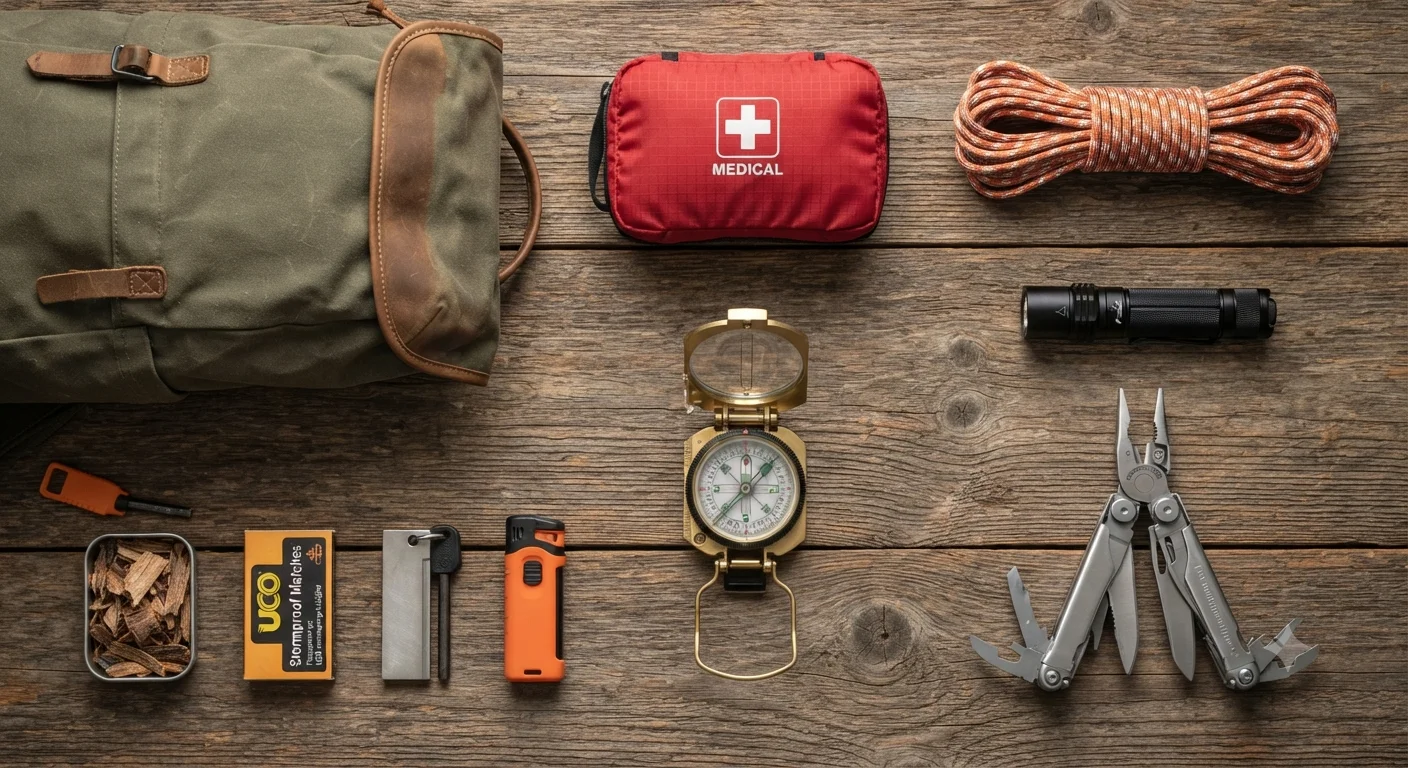
What Should a Complete Fire Starter Kit Include?
A well-prepared fire starter kit combines multiple ignition methods with dependable Tinder.
Rather than relying on a single tool, experienced campers build redundancy into their gear so one failure doesn’t become a survival problem.
A practical survival fire starter kit should include:
- Ferro rod fire starter
- Magnesium block fire starter
- Waterproof matches
- Refillable survival lighter
- Waterproof tinder tabs
- Cotton balls coated with petroleum jelly
- Fatwood sticks
- Char cloth
- Small striker
- Waterproof storage pouch
Packing everything together ensures your emergency camping gear stays organized and ready whenever you need it.
Can Waterproof Fire Starters Really Work After Getting Wet?
Yes—but not all waterproof products perform equally.
The best waterproof fire starter options are specifically engineered to operate after exposure to rain, river crossings, or humid environments.
Top-performing waterproof ignition methods include:
- Ferro rods
- Magnesium blocks
- Stormproof matches
- Waterproof Tinder
- Sealed fire starter cubes
Even the best tool becomes far more effective when paired with dry, reliable Tinder for emergency fires stored inside waterproof bags or containers.
Top 10 Best Fire Starter Tools for Emergencies in 2026
The best fire starter isn’t necessarily the most expensive—it’s the one you can rely on when conditions are at their worst. Whether you’re building a disaster preparedness kit, packing emergency gearemergency gear for the outdoors, or heading into the backcountry, choosing the right tool can make all the difference.
Below are the fire starter types that consistently perform well for camping, bushcraft, survival, and emergency preparedness.
1. Why Is a Ferro Rod Fire Starter Still the Best Overall Choice?
If you could carry only one ignition tool, a ferro rod fire starter would be the top recommendation.
It works without fuel, functions in nearly any weather, and produces extremely hot sparks that can ignite dry Tinder. Many outdoor instructors consider it the gold standard among emergency fire-starter tools for its reliability and long lifespan.
Best For
- Wilderness survival
- Long camping trips
- Emergency preparedness
- Backpacking
- Bug out bags
Advantages
- Waterproof
- Lightweight
- No fuel required
- Lasts for thousands of strikes
- Performs well in freezing temperatures
Things to Keep in Mind
- Requires some practice
- Works best with quality Tinder
If you’re building a survival equipment list, this should be one of the first items you add.
2. When Should You Choose a Magnesium Fire Starter?
A magnesium fire starter shines in wet, cold, and humid environments where ordinary Tinder struggles to ignite.
By scraping magnesium shavings onto your Tinder and then striking sparks with the attached ferro rod, you create an extremely hot flame that burns long enough to ignite damp materials.
Ideal For
- Rainy climates
- Snow camping
- Emergency shelters
- Winter backpacking
Pros
- Extremely hot ignition
- Reliable in wet weather
- Long-lasting
- Compact
Cons
- Takes longer to prepare
- Requires practice
If you’re comparing a ferro rod vs. a magnesium fire starter, the magnesium option offers an extra layer of insurance when conditions are especially challenging.
3. Are Stormproof Matches Worth Carrying?
Yes—especially as a backup.
Even experienced survival experts carry stormproof matches because they’re quick, simple, and dependable when speed matters.
Unlike ordinary matches, they continue to burn in heavy wind and light rain.
Best Uses
- Emergency shelters
- Fast cooking fires
- Unexpected weather
- Family camping trips
Advantages
- Easy for beginners
- Immediate flame
- Compact
- Waterproof storage available
Drawbacks
- Single use
- Limited quantity
Every survival fire starter kit should include a small waterproof container filled with stormproof matches.
4. Is a Survival Lighter Enough for Emergency Use?
A quality survival lighter is one of the easiest tools to use, making it an excellent everyday option.
Refillable butane lighters are lightweight, inexpensive, and instantly produce a flame. Wind-resistant models perform much better outdoors than standard disposable lighters.
Great For
- Camping
- Hiking
- Picnics
- Everyday carry
Benefits
- Quick ignition
- Refillable
- Easy operation
- Lightweight
Limitations
- Fuel eventually runs out
- Can struggle in freezing temperatures
- Sensitive to moisture
A lighter should never be your only ignition source. Pair it with a portable fire starter, such as a ferro rod, for maximum reliability.
5. Why Are Plasma Arc Lighters Becoming More Popular?
Rechargeable plasma lighters have grown in popularity because they don’t rely on fuel.
Instead, they create an electric arc that can ignite dry Tinder in windy conditions.
Best For
- Everyday outdoor use
- Short camping trips
- Emergency vehicle kits
Pros
- Windproof
- Rechargeable
- No fuel required
- Eco-friendly
Cons
- Needs battery power
- Less effective in heavy rain
- Requires charging
While convenient, they’re best used alongside more traditional fire starters for survival tools.
6. Are Waterproof Matches Different from Stormproof Matches?
Yes.
Although the terms are often used interchangeably, they’re designed for slightly different purposes.
Waterproof Matches
- Resist water
- Light after drying
- Good emergency backup
Stormproof Matches
- Burn in strong wind
- Continue burning after brief immersion
- Produce a hotter flame
For serious emergency preparedness equipment, stormproof matches are generally the better investment.
7. Why Do Bushcraft Enthusiasts Prefer Flint and Steel?
Traditional flint and steel remain popular among experienced outdoor enthusiasts because they’re durable and nearly impossible to wear out.
Although they require more skill than modern tools, they’re dependable and don’t rely on manufactured fuels.
Best For
- Bushcraft
- Primitive camping
- Survival training
- Historical reenactment
Advantages
- Extremely durable
- Unlimited lifespan with care
- No fuel needed
Challenges
- Steeper learning curve
- Requires prepared char cloth or natural Tinder
If bushcraft is your hobby, this classic bushcraft fire starter deserves a place in your kit.
8. Should You Carry Fire Starter Cubes?
Absolutely—especially if you’re new to outdoor adventures.
Fire starter cubes ignite quickly and burn for several minutes, giving damp wood enough time to catch fire.
Excellent For
- Beginner campers
- Family camping
- RV travel
- Emergency cooking
Pros
- Simple to use
- Long burn time
- Lightweight
Cons
- Single use
- Must be replaced after each trip
Many campers combine cubes with a spark fire starter for an easy and dependable system.
9. Why Is Waterproof Tinder Just as Important as the Ignition Tool?
Even the most reliable fire-ignition tool won’t help if your Tinder won’t light.
Waterproof Tinder burns hotter and longer than natural materials, making it much easier to start fires during emergencies.
Popular options include:
- Wax-coated tinder tabs
- Fatwood
- Cotton balls with petroleum jelly
- Commercial tinder sticks
- Char cloth
Adding a reliable Tinder dramatically increases the effectiveness of any outdoor fire starter.
10. What is the Best Fire Starter for a bug-out bag?
A bug-out bag should prioritize reliability over convenience.
Rather than relying on a single ignition source, experienced survival planners recommend carrying multiple ignition options.
Recommended Combination
- Ferro rod
- Mini refillable lighter
- Stormproof matches
- Waterproof tinder tabs
- Magnesium block
- Compact striker
This layered approach ensures you’ll still be able to build a fire even if one tool fails.
If you’re searching for the best fire starter for bug-out bag use, this combination provides excellent redundancy without adding much weight.
How Do You Choose the Best Fire Starter Tool?
The right choice depends on your experience level, destination, and expected weather conditions.
Before buying, ask yourself these questions:
How often will you use it?
Occasional campers may prefer the convenience of a lighter, while frequent adventurers benefit from reusable tools like ferro rods.
Will you camp in wet weather?
Choose a waterproof fire starter or magnesium block if rain or snow is likely.
Are you building a survival kit?
Look for tools that require no fuel and have a long lifespan.
Do you know how to use it?
Some tools require practice. It’s better to master your equipment before an emergency happens.
How much weight can you carry?
Backpackers often prioritize compact, lightweight camping survival tools, while vehicle emergency kits can accommodate larger supplies.
What Other Fire-Starting Gear Should You Pack?
A fire starter is only one part of a complete outdoor setup.
Consider adding these essentials to your emergency camping gear:
- Folding knife
- Emergency blanket
- Headlamp
- Water filter
- Compact cook stove
- First aid kit
- Multi-tool
- Paracord
- Waterproof storage bags
- Extra socks and gloves
Together, these items form the foundation of dependable wilderness survival equipment and help you stay prepared for unexpected situations.
How Do You Start a Fire in an Emergency?
Starting a fire during an emergency isn’t just about making sparks—it’s about preparation, technique, and using the right materials. Even the Best Fire Starter Tools for Emergencies can fail if your wood is soaked or your Tinder isn’t ready.
The good news is that with a little practice, you can reliably build a fire in almost any environment.
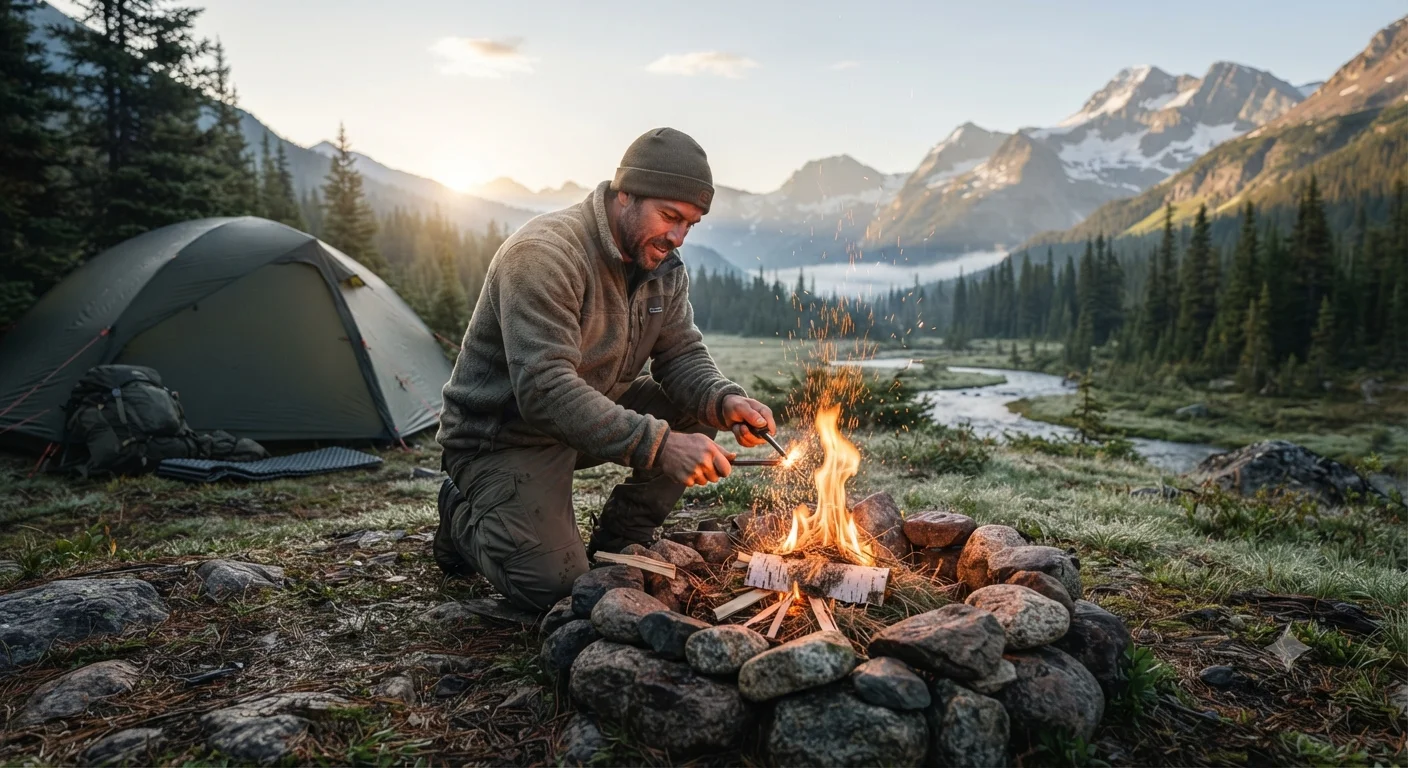
Step 1: Choose a Safe Fire Location
Before striking your first spark, find a safe place to build your fire.
Look for:
- Flat, stable ground
- A location sheltered from strong winds
- Dry soil or exposed rock
- An area away from tents, dry grass, and overhanging branches
If possible, surround the fire with stones to help contain it.
Avoid building fires:
- Under trees with low branches
- Inside enclosed shelters without ventilation
- During fire bans
- Near fuel containers or dry brush
Safety should always come before convenience.
Step 2: Gather Fuel Before Lighting Anything
One of the biggest mistakes beginners make is lighting Tinder before collecting firewood.
Have all your materials ready first.
Tinder (Lights Easily)
GooTinderer includes:
- Cotton balls coated with petroleum jelly
- Waterproof tinder tabs
- Char cloth
- Dry grass
- Birch bark
- Fatwood shavings
- Dry pine needles
- Commercial Tinder sticks
Quality tinder for emergency fires gives your sparks the best chance of success.
Kindling (Small Fuel)
Collect sticks about the thickness of:
- Toothpicks
- Pencils
- Fingers
Dry twigs burn quickly and help the fire grow.
Firewood
Once the kindling catches, gradually add:
- Wrist-sized branches
- Larger logs
- Hardwood when available
Never place large logs directly onto a tiny flame.
Which Fire Lay Is Best for Survival?
Different fire layouts serve different purposes.
Here are the most dependable options.
Teepee Fire
The easiest design for beginners.
Arrange small sticks around the Tinder like a cone.
Best For
- Quick ignition
- Cooking
- Small campsites
Advantages
- Excellent airflow
- Burns quickly
- Easy to build
Log Cabin Fire
Stack sticks in alternating layers.
Best For
- Long-burning fires
- Stable cooking
- Family camps
This design produces consistent heat and is easier to maintain.
Lean-To Fire
Lean kindling against a larger stick positioned into the wind.
Best For
- Windy weather
- Wet conditions
- Emergency survival
Many survival instructors recommend this method because it protects your flame while allowing airflow.
How Do You Use a Ferro Rod Fire Starter Correctly?
Many people buy a ferro rod but never learn the proper technique.
Fortunately, it’s easier than it looks.
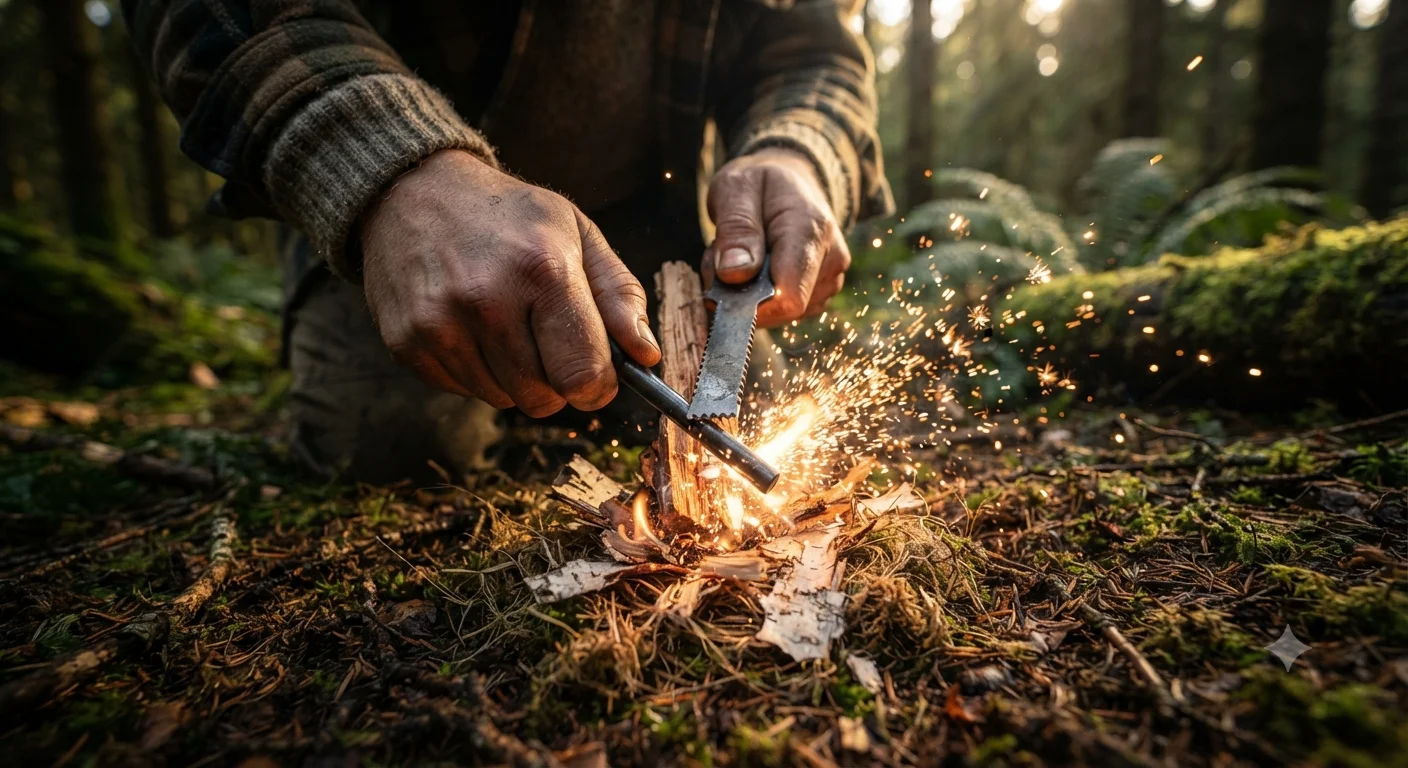
Step-by-Step
- Place your Tinder in the center of your fire lay.
- Hold the ferro rod fire starter close to the Tinder.
- Position the striker at roughly a 45-degree angle.
- Pull the rod backward instead of pushing the striker forward.
- Direct a shower of sparks into the Tinder.
- Blow gently as soon as the Tinder begins glowing.
- Add kindling gradually.
Pulling the rod backward prevents you from accidentally scattering your carefully arranged Tinder.
How Do You Use a Magnesium Fire Starter?
A magnesium block fire starter takes one extra step but works exceptionally well in damp conditions.
Instructions
- Scrape a small pile of magnesium shavings onto your Tinder.
- Hold the striker firmly.
- Strike sparks directly into the magnesium.
- The magnesium burns extremely hot.
- Add kindling immediately.
- Slowly build the fire.
Because magnesium burns intensely, it can ignite materials that ordinary sparks struggle to light.
What Are the Most Common Fire-Starting Mistakes?
Even experienced campers occasionally make mistakes.
Avoid these common problems:
Using Wet Wood
Dead branches lying on the ground often absorb moisture.
Instead, break dead branches from standing trees whenever possible.
Forgetting Tinder
Large logs won’t ignite from sparks alone.
Always carry a reliable Tinder in your survival fire starter kit.
Building a Fire That’s Too Large
Small fires are easier to control.
Start small and add fuel gradually.
Igniting Before Gathering Wood
Your flame can disappear in seconds if you’re still searching for kindling.
Prepare everything before striking your first spark.
Carrying Only One Ignition Source
Redundancy is essential.
A complete emergency preparedness equipment setup should include multiple ignition methods.
What Is the Best Fire Starter for Camping?
Camping usually prioritizes convenience over extreme survival.
For most campers, this combination works well:
- Refillable lighter
- Ferro rod
- Waterproof matches
- Fire starter cubes
- Waterproof Tinder
This setup balances simplicity, reliability, and lightweight packing.
Which Fire Starter Is Best for Backpacking?
Backpackers count every ounce.
Weight matters, but reliability matters even more.
Recommended gear includes:
- Compact ferro rod
- Mini lighter
- Tinder tabs
- Stormproof matches
These items take up very little space while providing multiple ways to build a fire.
If you’re looking for an emergency fire starter for backpacking, avoid bulky equipment that adds unnecessary weight.
What Should Bushcraft Enthusiasts Carry?
Bushcraft often emphasizes self-reliance and traditional skills.
A typical bushcraft essentials fire kit includes:
- Ferro rod
- Flint and steel
- Char cloth
- Fatwood
- Small fixed-blade knife
- Tinder pouch
Learning to create fire with natural materials is rewarding, but it’s still wise to keep modern backup tools nearby.
How Should You Store Fire Starter Tools?
Proper storage dramatically increases the lifespan of your equipment.
Follow these simple practices:
Keep Everything Dry
Store gear inside:
- Waterproof pouches
- Dry bags
- Sealed plastic containers
Inspect Regularly
Before every trip, check:
- Ferro rod wear
- Lighter fuel level
- Match condition
- Tinder supply
- Waterproof seals
Replace Consumables
Restock:
- Matches
- Fire cubes
- Tinder
- Fuel
Routine maintenance prevents unpleasant surprises in the field.
How Often Should You Practice Fire Starting?
Owning survival gear isn’t enough—you need to know how to use it.
Practice:
- In dry weather
- During light rain
- With gloves on
- At night, using a headlamp
- Using different types of Tinder
The more familiar you become with your tools, the more confident you’ll be during an actual emergency.
What Does an Ideal Emergency Fire Kit Look Like?
A balanced kit combines reusable tools with dependable backups.
Recommended Fire Kit
- Ferro rod fire starter
- Magnesium block fire starter
- Stormproof matches
- Waterproof matches
- Refillable survival lighter
- Waterproof tinder tabs
- Cotton balls with petroleum jelly
- Fatwood
- Small striker
- Compact knife
- Waterproof storage case
This combination covers nearly every scenario, from casual camping trips to serious wilderness emergencies.
Expert Tips for Reliable Fire Starting
Outdoor instructors often follow a few simple habits that dramatically improve success rates:
- Carry at least three different ignition methods.
- Store tinder separately in a waterproof container.
- Gather more wood than you think you’ll need.
- Build smaller fires first and let them grow naturally.
- Practice with your gear before relying on it outdoors.
- Replace used supplies immediately after every trip.
- Keep one fire starter in your pocket and another in your backpack.
These habits can make a significant difference when conditions become cold, wet, or stressful.
How Can You Maintain Your Fire Starter Tools for Long-Term Reliability?
A dependable fire starter can last for years—but only if you take care of it. Regular maintenance ensures your gear is ready when you need it most, whether you’re camping for the weekend or facing an emergency.
A few minutes of inspection before each trip can prevent equipment failure in the field.
Ferro Rod Maintenance
A ferro rod fire starter requires very little upkeep.
- Wipe away dirt and moisture after use.
- Store it in a dry pouch.
- Check that the striker has a sharp edge.
- Replace the lanyard if it becomes worn.
Even after thousands of strikes, most quality ferro rods remain highly effective.
Magnesium Block Maintenance
Magnesium blocks are also low-maintenance.
- Keep the block dry when possible.
- Remove corrosion with a clean cloth.
- Protect it from prolonged exposure to saltwater.
Lighter Maintenance
For refillable survival lighters:
- Refill fuel before every trip.
- Check the ignition wheel or button.
- Inspect O-rings on waterproof models.
- Test the flame before packing.
Match Storage
Store stormproof matches and waterproof matches in waterproof containers. Replace any matches that become damaged or show signs of moisture.
What Should Be Included in Your Emergency Preparedness Kit?
Fire-starting equipment is only one part of a complete emergency setup.
Whether you’re preparing for natural disasters, road trips, or remote camping adventures, your emergency preparedness equipment should cover the essentials for shelter, water, food, navigation, and first aid.
Emergency Survival Gear Checklist
Fire & Cooking
- Ferro rod fire starter
- Magnesium fire starter
- Stormproof matches
- Waterproof matches
- Refillable survival lighter
- Waterproof Tinder
- Compact cooking stove
- Fuel canister (where appropriate)
Shelter
- Emergency blanket
- Lightweight tarp
- Paracord
- Tent or bivy sack
- Sleeping bag suitable for the season
Water
- Water filter
- Purification tablets
- Metal bottle
- Collapsible water bag
Food
- Energy bars
- Freeze-dried meals
- Trail mix
- Compact cooking pot
Navigation
- Compass
- Physical map
- GPS device
- Whistle
First Aid
- Bandages
- Antiseptic wipes
- Pain relievers
- Tweezers
- Medical tape
- Personal medications
Tools
- Multi-tool
- Fixed-blade knife
- Folding saw
- Small flashlight
- Extra batteries
- Headlamp
Having these outdoor survival essentials packed and organized makes it much easier to respond calmly during unexpected situations.
Which Fire Starter Is Right for Your Needs?
There’s no single “perfect” fire starter for everyone. The best choice depends on how and where you’ll use it.
| User Type | Recommended Fire Starter |
|---|---|
| Beginner Camper | Windproof lighter + fire starter cubes |
| Backpacker | Compact ferro rod + tinder tabs |
| Bushcraft Enthusiast | Flint & steel + ferro rod |
| Winter Camper | Magnesium block + stormproof matches |
| Emergency Preparedness | Ferro rod + lighter + stormproof matches |
| Bug Out Bag | Ferro rod + magnesium block + waterproof Tinder |
| Family Camping | Refillable lighter + waterproof matches |
If you’re unsure where to start, choose a quality ferro rod and build your kit from there. It’s one of the most versatile and dependable options available.
Final Buying Tips Before You Choose a Fire Starter
Before purchasing any portable fire starter, keep these practical tips in mind:
- Carry More Than One Ignition Method. Never depend on a single tool. A layered approach offers better reliability.
- Practice Before an Emergency: Learn how your fire starter works before you actually need it.
- Invest in Quality. Cheap gear often fails at the worst possible moment.
- Keep Tinder Dry. Even the best ignition tool struggles without good Tinder.
- Inspect Your Kit Regularly. Replace consumable items and test reusable gear before every trip.
These habits will help ensure your fire starter for survival performs when it matters most.
Frequently Asked Questions
1. What is the best fire starter tool for emergencies in 2026?
For most people, a ferro rod fire starter is the best overall choice. It’s waterproof, lightweight, reusable, and capable of producing thousands of high-temperature sparks without fuel.
2. What is the best waterproof fire starter for survival?
Ferro rods and magnesium block fire starters are among the most reliable waterproof options. Pairing them with wTinderoof Tinder provides the best performance in wet conditions.
3. Should I carry both a lighter and a ferro rod?
Yes. A lighter offers fast, convenient ignition, while a ferro rod serves as a dependable backup if fuel runs out or weather conditions become challenging.
4. Which fire starter is best for a bug-out bag?
A combination of a ferro rod, magnesium block, stormproof matches, waterproof Tinder, and a refillable lighter creates a well-rounded survival fire starter kit for bug-out bags.
5. How long does a ferro rod last?
Most quality ferro rods last between 10,000 and 20,000 strikes, making them one of the longest-lasting fire-starting tools available.
6. Are magnesium fire starters better than ferro rods?
Not necessarily. Magnesium fire starters excel in wet environments because the magnesium burns extremely hot. Ferro rods are generally faster and easier to use for everyday camping. Many outdoor enthusiasts carry both.
7. What is the best Tinder for emergency fires?
Some of the most reliable options include:
- Waterproof tinder tabs
- Cotton balls coated with petroleum jelly
- Fatwood
- Char cloth
- Dry birch bark
- Commercial fire starter sticks
Keeping Tinder dry is just as important as choosing the right ignition tool.
8. How often should I replace items in my fire starter kit?
Reusable tools like ferro rods can last for years with proper care. Consumable items such as matches, Tinder, and lighter fuel should be checked before every trip and replaced as needed.
Conclusion
When it comes to emergency preparedness, fire is one of your most valuable survival resources. It provides warmth, helps purify water, cooks food, boosts morale, and can even signal rescuers in a crisis.
The Best Fire Starter Tools for Emergencies are those you understand, trust, and maintain. While modern lighters offer convenience and stormproof matches provide an excellent backup, a high-quality ferro rod fire starter remains the top all-around choice thanks to its durability, weather resistance, and long lifespan.
No matter where your adventures take you—whether it’s a weekend camping trip, a remote backpacking expedition, or preparing a home emergency kit—don’t rely on a single ignition method. Build a well-rounded survival fire starter kit with multiple fire-starting options, reliable Tinder, and regular practice.
A little preparation today can make a life-saving difference tomorrow.
Parkside Tools Review 2026: Best Budget Power Tools?
“other essential DIY tools”